Understanding Sports Broadcasting
Definition and Scope of Sports Broadcasting
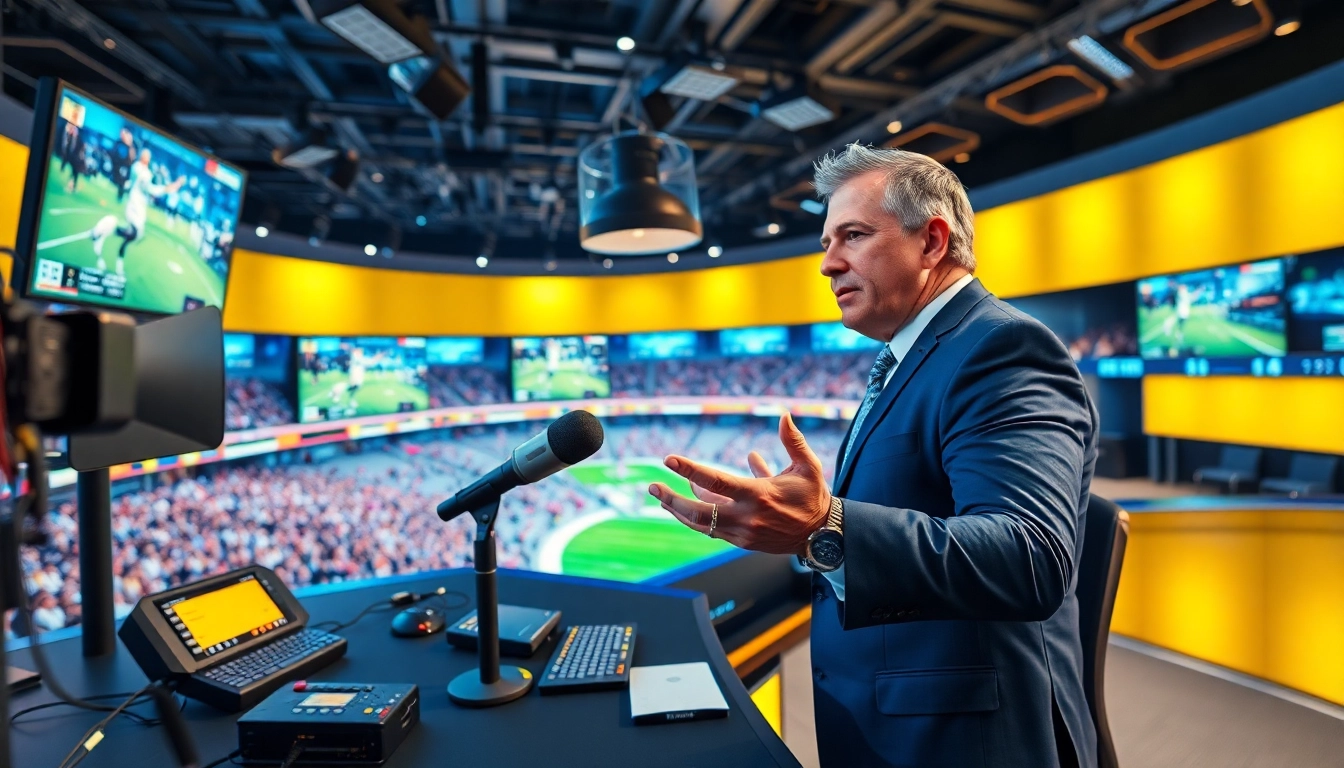
Sports Broadcasting refers to the transmission of sports events through various forms of media, including television, radio, and digital platforms. It encompasses a wide range of activities such as live game coverage, sports news, analysis, and commentary. The aim is to deliver real-time updates and comprehensive coverage for enthusiastic fans and casual viewers alike. With the rise of the internet, Sports Broadcasting has evolved from traditional networks to dynamic streaming platforms, providing more accessibility and interactive experiences for audiences worldwide.
The Evolution of Sports Broadcasting
The history of Sports Broadcasting can be traced back to the early 20th century when radio began to air live sports events. This revolutionized how fans consumed sports, making them feel connected to the action. The evolution continued with the introduction of television broadcasts, which allowed viewers to experience the emotion of live events from the comfort of their homes. In recent years, digital platforms and social media have transformed the landscape further, enabling audiences to engage with content in real time and providing opportunities for sports organizations to reach broader audiences beyond traditional broadcasting methods.
Key Players in the Sports Broadcasting Industry
The Sports Broadcasting industry features a mix of key players, including traditional broadcasters, cable networks, digital streaming services, and social media platforms. Each has its unique role and audience. Major networks often hold broadcasting rights to popular sports leagues, while streaming services like OTT platforms are increasingly becoming essential players in the arena, adapting to changing consumer preferences and habits. Additionally, individual teams and leagues are exploring direct-to-consumer approaches, effectively bypassing traditional channels.
Technical Aspects of Sports Broadcasting
Equipment Needed for Effective Sports Broadcasting
To deliver high-quality sports broadcasts, several types of equipment are essential. Cameras capable of high-definition (HD) and ultra-high-definition (UHD) resolutions are crucial for capturing dynamic actions. Additionally, good microphones and audio equipment ensure clear commentary and crowd noise capture. On the technical side, switchers and graphics systems play a pivotal role in integrating various media feeds, allowing operators to produce engaging content. Furthermore, satellite dishes and modems are vital for transmitting signals to remote locations, while robust internet connections support live streaming capabilities.
Broadcasting Software and Technologies
The technological landscape of Sports Broadcasting is continuously evolving. Specialized software for video editing and live production enhances the viewing experience. For instance, graphics software is crucial for displaying real-time statistics and scores. Content management systems help teams manage content efficiently and effectively. Furthermore, advanced analytics tools facilitate data-driven decisions for broadcasting schedules and content development. Emerging technologies such as artificial intelligence (AI) are increasingly used to automate processes and analyze audience behaviors, optimizing broadcasts and enhancing engagement.
Sound and Visual Quality in Sports Broadcasting
Sound and visual quality are paramount in Sports Broadcasting, as they significantly impact viewer experience. High-fidelity audio systems are critical for delivering clear commentary and enhancing ambient sound, contributing to an immersive experience. Similarly, video quality can make or break the viewer’s engagement. Factors such as resolution, frame rate, and lighting must be meticulously managed during production to provide a compelling visual narrative. Innovations such as HDR (High Dynamic Range) and 4K resolution have further elevated viewing experiences, enhancing color accuracy and providing more vivid images.
Content Creation in Sports Broadcasting
Crafting Compelling Narratives
At the heart of Sports Broadcasting is storytelling. Crafting compelling narratives around teams, players, and events is essential for drawing in audiences. Broadcasters need to develop unique angles, whether focusing on a team’s journey or highlighting individual player stories. Engaging commentary can make standard plays come alive, turning them into memorable moments. Utilizing pre-game shows and interviews allows for deeper engagement by presenting insights and behind-the-scenes looks that resonate with fans and enhance their viewing experience.
Engaging Your Audience through Social Media
Social media has become an integral aspect of Sports Broadcasting, with platforms like Twitter, Instagram, and TikTok enabling real-time interaction between fans and broadcasters. By using social media, broadcasters can engage audiences through polls, live commentary, and sharing highlights instantly. This engagement fosters a sense of community and strengthens loyalty towards teams and events. Moreover, effective social media strategies allow broadcasters to drive traffic to live events and broadcasts, ensuring higher visibility and viewership.
Utilizing Graphics and Stats in Sports Broadcasting
Incorporating graphics and statistics into Sports Broadcasting enriches the viewing experience. Stats provide viewers with context and enhance understanding, transforming a watching experience from passive to active engagement. Graphics can display player performances, historical comparisons, and game highlights seamlessly during broadcasts, educating audiences while entertaining them. Technology such as augmented reality (AR) can also offer creative ways to visualize data, making broadcasts engaging and informative simultaneously.
Challenges in Sports Broadcasting
Overcoming Broadcasting Rights Issues
Broadcasting rights are a significant challenge in the industry. Networks often compete fiercely for exclusive rights, which can limit accessibility for viewers. Furthermore, the complexity of licensing agreements can lead to legal disputes and restrictions. Broadcasters must navigate these intricate rights issues while ensuring compliance with the governing bodies. Striking a balance between obtaining rights and offering diverse content is vital for satisfying audiences while maintaining compliance.
Dealing with Technical Difficulties During Live Events
Technical difficulties during live broadcasts are an ongoing challenge faced by sports broadcasters. Issues such as signal loss, equipment failure, or software glitches can disrupt flawless transmission. Preparedness is key for teams, employing backup systems and redundant technologies to mitigate risks. Routine maintenance and testing of equipment before live events can help to identify potential problems. Additionally, having a skilled technical team ready to troubleshoot during broadcasts is crucial for minimizing disruptions.
Navigating Changing Audience Preferences
The viewing preferences of sports audiences are rapidly changing, primarily influenced by technological advancements and lifestyle shifts. Younger audiences tend to favor on-demand content, shorter highlight clips, and social media interactions over traditional viewing. Broadcasters must adapt to these changing preferences by diversifying their content offerings and exploring new platforms. Engaging younger audiences through innovative formats, on-demand services, and interactive features is crucial to maintaining viewership and relevance in the industry.
Future Trends in Sports Broadcasting
Impact of Streaming and Digital Platforms
The surge of streaming and digital platforms is transforming Sports Broadcasting into a more competitive arena. These platforms allow viewers unprecedented flexibility and choice in how they consume sports content. Broadcasting strategies are shifting to accommodate these changes, with many broadcasters producing content specifically designed for digital consumption, such as condensed game highlights and personalized viewing experiences. This democratization of content enhances accessibility, promotes inclusivity, and broadens the sports audience globally.
The Role of Virtual Reality in Sports Broadcasting
Virtual reality (VR) is poised to offer unprecedented experiences in Sports Broadcasting. By providing immersive viewing experiences, VR enables fans to feel as if they are part of the action, significantly increasing engagement. VR studios are developing technology that allows viewers to experience events from unique perspectives, enhancing fan interaction and involvement. This technology can reimagine how audiences watch and engage with sports, fostering deeper connections between fans and their favorite events.
Predicting the Future of Sports Broadcasting
Looking ahead, the future of Sports Broadcasting appears to be extremely promising, characterized by ongoing innovation and adaptation. Advancements in AI and machine learning are likely to enhance personalization, targeting content to meet individual audience needs. Additionally, partnerships between traditional broadcasters and tech companies will drive new growth opportunities. As technology continues to evolve, there lies considerable potential for greater interactivity and immersive experiences, pushing the boundaries of how sports are consumed and enjoyed.
Frequently Asked Questions
What is the primary purpose of Sports Broadcasting?
The primary purpose of Sports Broadcasting is to provide real-time coverage of sports events, engaging fans through commentary, analysis, and multimedia content, creating a shared experience.
How has technology changed Sports Broadcasting?
Technology has enhanced Sports Broadcasting by improving audio-visual quality, enabling live streaming, and integrating interactive features like real-time statistics and graphics to enrich viewer experiences.
What challenges do broadcasters face with sports rights?
Broadcasters face challenges related to broadcasting rights negotiations, competition for exclusive access, and compliance with licensing agreements, which can impact accessibility for viewers.
How can social media be used in Sports Broadcasting?
Social media can engage audiences through live commentary, sharing highlights, conducting polls, and fostering community discussions, enhancing connection and viewer engagement.
What does the future hold for Sports Broadcasting?
The future of Sports Broadcasting will likely see more immersive experiences through VR, increased personalization through AI, and growing partnerships between tech companies and traditional broadcasters.