
What Is Salmorejo and Why Is It Special?
If you are searching for the best salmorejo near me, you are likely craving the refreshing, velvety, and soul-satisfying taste of this Andalusian classic. While gazpacho enjoys global acclaim for its cooling properties, salmorejo—a richer, creamier counterpart hailing from Córdoba, Spain—stands as a true hidden gem of Spanish cuisine. This delightful dish, often enjoyed in the warmer months, captures the essence of vibrant, sun-ripened tomatoes and the heart of traditional Spanish cooking.
The Cultural Significance of Salmorejo
Salmorejo is more than just a dish; it’s a part of Spanish heritage, particularly in the southern region of Andalusia. Traditionally, it indicates the cultural adaptability of the Spanish people, utilizing locally sourced, fresh ingredients to create something unique. Salmorejo is deeply interwoven with Spanish culinary traditions, representing family gatherings, celebrations, and a taste of home for many. Its preparation often evokes memories of familial bonds, where recipe secrets are shared across generations, enhancing its richness beyond just flavor.
Salmorejo vs. Gazpacho: Understanding the Differences
While both dishes are chilled soups, there are significant distinctions that set them apart. Salmorejo has a thicker consistency due to the use of bread as a primary ingredient, which not only provides texture but also adds a hearty depth of flavor. Gazpacho, on the other hand, is lighter and includes a variety of vegetables such as cucumbers and bell peppers. In essence, salmorejo offers a creamier, more decadent experience, making it a comforting dish sought after by many.
Key Ingredients in Authentic Salmorejo
The main components of traditional salmorejo include:
- Tomatoes: Ripe and juicy tomatoes form the base of this dish, providing essential sweetness and acidity.
- Bread: Stale white bread contributes to the soup’s creamy texture. The quality of the bread profoundly impacts the final product.
- Extra Virgin Olive Oil: A generous splash of high-quality olive oil is crucial for emulsification and adds richness.
- Garlic: This ingredient lends a subtle kick, enhancing the overall flavor profile.
- Sherry Vinegar: A touch of this tangy vinegar brightens the dish, balancing the richness.
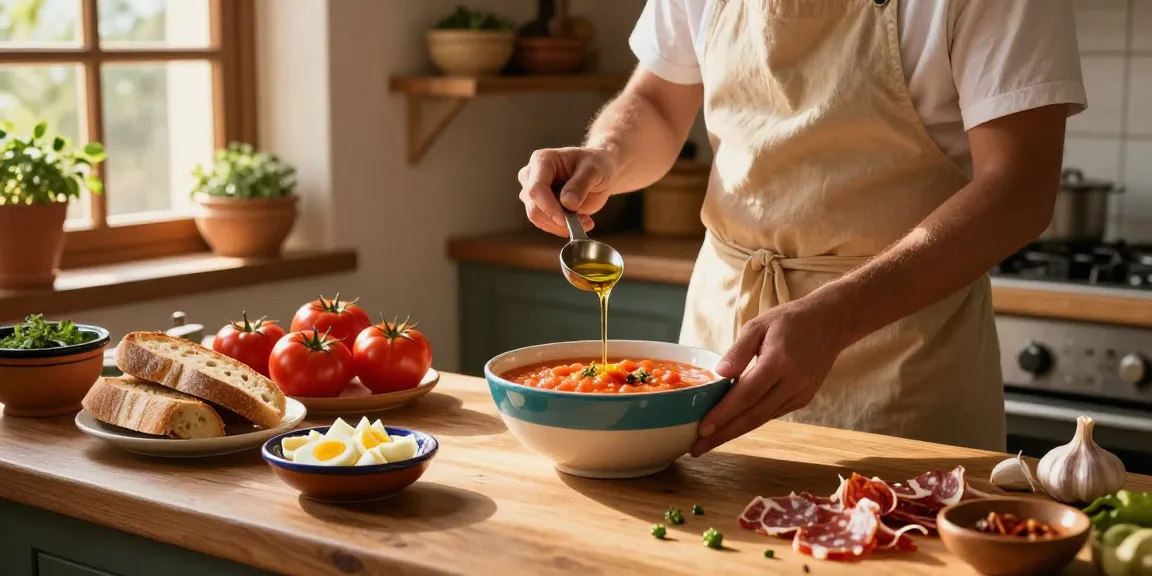
- Toppings: Traditionally, salmorejo is garnished with hard-boiled eggs and jamón serrano, although variations exist.
How to Find the Best Salmorejo Near Me
To truly appreciate salmorejo, locating authentic Spanish restaurants and tapas bars that specialize in this dish is essential. When searching for the best options, consider the following tips to streamline your quest.
Identifying Authentic Spanish Restaurants
Look for establishments that are dedicated to traditional Spanish cuisine, often indicated by their menu offerings. Authenticity is key: restaurants that celebrate the rich diversity of Spanish dishes are more likely to serve salmorejo that remains true to its roots. Pay attention to reviews focusing on their cold soups and inquire about the ingredients they use for the preparation.
Top Rated Spanish Spots Known for Salmorejo
Numerous restaurants across the USA pride themselves on serving exquisite salmorejo. Some of the top-rated spots include:
- Taberna de Haro: Located in St. Louis, MO, this restaurant is known for its traditional take on salmorejo, made with locally sourced ingredients.
- La Mancha: In San Francisco, CA, La Mancha excels in serving authentic Spanish dishes, including their famed salmorejo with unique garnishes.
- Barcelona Tapas: Situated in Birmingham, AL, this eatery combines a vibrant atmosphere with authentic flavors, winning over the hearts of salmorejo lovers.
Using Online Tools and Reviews Effectively
Leverage online platforms like Yelp, TripAdvisor, and Google Maps to read reviews and ratings that highlight the best places for salmorejo. Look for comments detailing the flavor, texture, and presentation of the dish, as these insights can guide your dining choices effectively. Don’t hesitate to ask locals for recommendations or to consult Spanish cuisine forums online for hidden gems.
How to Make Authentic Salmorejo at Home
If dining out isn’t an option, you can recreate the deliciousness of salmorejo in your own kitchen. With just a few high-quality ingredients and simple steps, you can enjoy this classic dish from the comforts of your home.
Step-by-Step Guide to the Perfect Recipe
Here’s a straightforward recipe to make authentic salmorejo:
- Gather your ingredients: You will need 1 kg of ripe tomatoes, 250 g of stale white bread, 100 ml of extra virgin olive oil, 1-2 cloves of garlic, 30 ml of sherry vinegar, and salt to taste.
- Prepare the tomatoes: Blanch the tomatoes in boiling water for about 30 seconds, then plunge them into ice water. Peel and chop them, removing the seeds.
- Blend the ingredients: In a blender, combine the tomatoes, bread, garlic, vinegar, and salt. Gradually add the olive oil while blending to create a creamy texture.
- Chill: Refrigerate the soup for at least two hours before serving to enhance the flavors.
- Serve: Pour into bowls and top with diced hard-boiled eggs and jamón serrano or your preferred toppings.
Common Mistakes to Avoid When Making Salmorejo
Prepare your salmorejo like a pro by avoiding these common pitfalls:
- Using under-ripened tomatoes can result in a bland flavor.
- Not allowing enough time for chilling will lessen the refreshing quality of the dish.
- Over-blending can lead to a watery texture, defeating the purpose of the creamy consistency.
- Guaging the olive oil quantity improperly can affect the richness; ensure you use enough for proper emulsification.
Tips for Choosing the Best Ingredients
When making salmorejo, the quality of your ingredients truly shines through. Opt for:
- Organic tomatoes: For an enhanced flavor profile, prefer organic vine-ripened tomatoes.
- Artisan bread: A locally baked stale bread will provide better texture.
- Premium olive oil: Invest in a high-quality extra virgin olive oil, as it contributes significantly to the final taste.
Customizing Your Salmorejo Experience
Salmorejo is versatile and can be tailored to suit different dietary preferences and creative endeavors.
Vegan Alternatives to Traditional Toppings
If you want to enjoy a vegan version of salmorejo, simply omit traditional toppings like ham and eggs. Instead, you can try:
- Diced avocado for creaminess.
- Toasted pine nuts for added crunch.
- Slices of green apple for a refreshing, tart contrast.
Pairing Salmorejo with Other Dishes
Salmorejo can serve as an excellent starter or side dish for many meals. Consider pairing it with:
- Tortilla Española for a classic Spanish touch.
- Grilled prawns or fish to enhance the seaside flair.
- Freshly baked bread to complement the flavors.
Creative Variations on Classic Salmorejo
Get adventurous with your salmorejo by experimenting with:
- Adding roasted peppers for a smoky twist.
- Incorporating herbs like basil or cilantro for enhanced freshness.
- Substituting flavored oils, such as garlic-infused olive oil for more depth.
Frequently Asked Questions About Salmorejo
Is salmorejo the same as gazpacho?
No, salmorejo is thicker, creamier, and uses more bread, whereas gazpacho is lighter and contains more vegetables like peppers and cucumber.
Why is my salmorejo not creamy?
The secret to creaminess lies in the emulsification of the olive oil and the quality of the bread. Ensure you use enough high-quality extra virgin olive oil and blend it slowly for the best results.
Can I make salmorejo vegan?
Yes. Simply omit the ham and egg toppings and consider replacing them with diced fruits or nuts for added texture and flavor.
How can I store leftover salmorejo?
Leftover salmorejo can be stored in an airtight container in the fridge for up to three days. Re-blend it before serving if it thickens too much.
What are the best toppings for salmorejo?
Common toppings include diced hard-boiled eggs, jamón serrano, and olive oil drizzle. However, feel free to experiment with nuts, fruits, or herbs.
Conclusion
Finding the best salmorejo near me is more than just a quest for food; it’s a journey into the heart of Spanish gastronomy. Whether you discover it at a top-tier local tapas bar or prepare it fresh in your own kitchen using vine-ripened tomatoes and premium olive oil, this dish is a testament to the power of simple ingredients. By choosing authentic venues or following traditional preparation methods, you can bring the vibrant, refreshing essence of Córdoba straight to your table.
